The first crisp days of September carry a particular frequency. The frantic energy of summer travel dissipates, replaced by a collective, quiet inhale. It’s a ‘back to school’ feeling that persists long after graduation, a turning of the page that sees us trade beach reads for quarterly reports and rosé for routines. In the world of wellness, this seasonal shift is palpable. The focus pivots from maintaining a baseline on the road to optimizing for the months ahead.
This year, the autumnal reset feels different. The air is thick with conversations not just about new classes or workout plans, but about entirely new paradigms of self-management. The slow-burn trends of the last few years—wearable ubiquity, data-driven fitness, and hybrid training models—are converging into something sharper, more intelligent, and frankly, a bit more unnerving.
What's happening
Three dispatches from the front lines of wellness set the tone this week. First, the long-rumored launch of Aura Labs’ ‘Metabolic Twin’ platform. The Bay Area longevity startup, which has been operating in a well-funded stealth mode for three years, finally pulled back the curtain on an AI that promises to create a predictive, dynamic digital model of your body. It ingests everything from your Oura ring data and 23andMe profile to your weekly grocery receipts, aiming to forecast everything from your likelihood of catching a cold to your optimal marathon training taper.
Second, the Q3 industry report from IHRSA landed, and its findings confirm a vibe shift in the brick-and-mortar fitness space. While overall gym membership is robust, the explosive growth of the large-scale, multi-modality boutique studio—the kind that dominated the 2010s—has officially flatlined. In its place, a new category is surging: the ‘micro-gym.’ These are small-footprint, hyper-specialized spaces, often run by a single expert coach, dedicated to one thing: a powerlifting crew, a breathwork collective, a small-group metabolic conditioning studio.
Finally, sportswear giant SomaTec dropped its ‘Synapse’ collection, the first truly mainstream line of bio-reactive apparel. Moving beyond simple moisture-wicking, the fabrics incorporate phase-change materials and polymer networks that actively alter their structure in response to biometrics. Think ventilation zones that open automatically as your skin temperature rises, or compression panels that subtly increase support around a muscle as it fatigues, detected via embedded electromyography (EMG) threads. It's clothing that has an opinion.
Why it matters now
The convergence of these trends points to a clear, overarching theme: the era of one-size-fits-all wellness is definitively over. We are entering a phase of radical, sometimes invasive, personalization. The market is fracturing into niches, driven by consumers who are no longer content with generic advice or crowded classes. They want programming, products, and communities built for their specific goals, their unique physiology, and their personal preferences. This isn't just about choosing a HIIT class over a yoga class; it's about finding the exact coach who specializes in kettlebell flows for time-crunched executives, and the gear to match.
This splintering is a double-edged sword. On one hand, it’s incredibly empowering. The tools to understand and optimize your own biology are becoming more accessible than ever. On the other, it creates what the Global Wellness Institute (GWI), in its latest 2026 trends forecast, calls the ‘Personalization Paradox.’ An overabundance of data and choice doesn't always lead to clarity; it can just as easily lead to analysis paralysis and anxiety. As our devices generate terabytes of personal data, the real challenge becomes separating the signal from the noise.
In an age of infinite data, the most valuable filter is still human wisdom. The right coach is a curator, not a calculator.
The Edit
Navigating this new landscape requires a discerning eye. Here’s a closer look at the forces shaping the future of your well-being.
The Algorithmic Self
Aura Labs' Metabolic Twin isn't just another wellness app; it's a mission control for your body. The onboarding process is intense, linking to every health-adjacent account you own—Apple Health, Strava, Whoop, Dexcom, even your Instacart purchase history. It then builds a ‘digital double’ and begins running simulations. “What happens to my deep sleep if I have 15g more protein before bed?” “What’s my real-time injury risk on this 10k run, based on my gait analysis and historical load?” It’s a biohacker’s dream and a privacy advocate’s nightmare. The insights can be profound, potentially catching health declines weeks in advance. But the psychological weight of a machine constantly judging your choices is a real, unquantified cost. For the data-obsessed high-performer, it’s irresistible. For most others, it may feel like a step too far into the digital panopticon.
The Boutique Backlash
The data from IHRSA reflects a cultural shift. The anonymity of the 40-person spin class is losing its appeal. The future of in-person fitness appears to be smaller, more intentional, and built around expertise. These new micro-gyms are thriving because they offer something technology can’t replicate: tangible community and direct access to a master of their craft. They are often spartan, located in industrial parks rather than high-street retail, and prioritize results over amenities. This trend suggests consumers are willing to trade juice bars and marble changing rooms for a coach who knows their name, their history, and their one-rep max.
The Second Skin
SomaTec’s Synapse collection is the first compelling argument for a wardrobe that works for you. The hero product, the Synapse Trainer Tight, feels like a standard high-end legging until about ten minutes into a hard workout. As your quadriceps fatigue, you can feel a subtle, targeted increase in compression. As your core temperature climbs, the fabric over your lumbar spine becomes noticeably more porous. It’s an uncanny feeling, a piece of clothing that anticipates your needs. This isn’t for the casual gym-goer; the price point is steep, and the benefits are most pronounced during peak exertion. But for dedicated athletes or anyone serious about performance, it represents a genuine, if expensive, innovation.
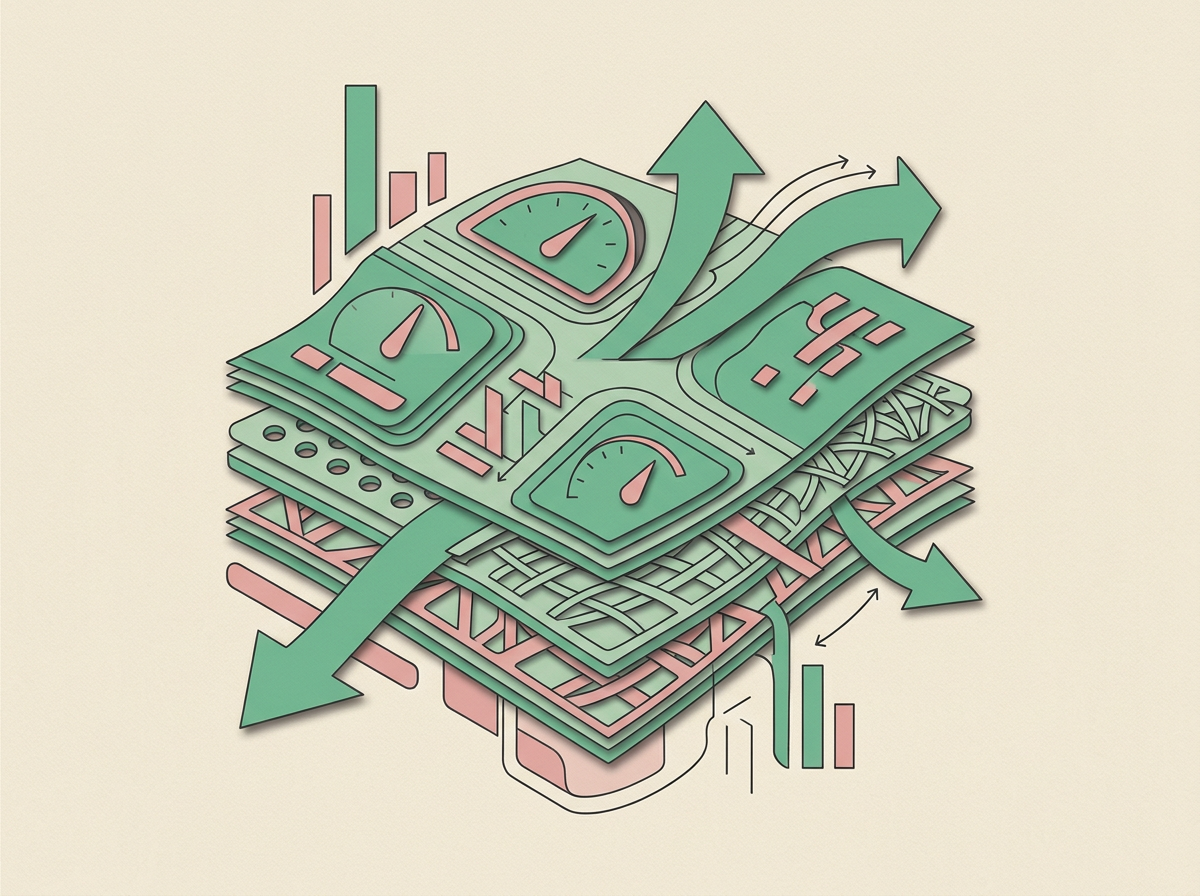
A close-up schematic of the Synapse fabric showing different zones
Technology is making wellness more personalized, but the human element is becoming the last true luxury.
What this means for you
So, where does this leave you, standing in the cross-currents of algorithmic optimization and the search for authentic connection? It means that curation is more important than ever. The firehose of data from a Metabolic Twin is useless without a plan. A hyper-specialized micro-gym is only as good as the coach who runs it. Smart apparel can't fix poor form. The future isn’t about choosing between technology and humanity, but about using technology to connect you with the right human expertise.
This is the problem Codex was built to solve. Instead of getting lost in a sea of options, our AI intake acts as a signal filter, understanding your unique context to match you with a single, vetted professional. Whether you need a specialist coach who can build a program around your travel schedule and available equipment, or you want to find that perfect local studio that focuses on exactly what you love, the goal is to cut through the noise. For businesses, this trend toward personalization means rigid, one-size-fits-all wellness benefits are becoming obsolete. Offering flexible wellness wallets like Codex Credits gives your team the autonomy to find what truly works for them, a far more valuable perk than a generic gym membership.
Verdict
The wellness landscape of late 2026 is complex, defined by the dual ascent of hyper-intelligent technology and a deep, human-centric counter-movement. The most effective path forward lies in the synthesis of the two: using smart tools not as your master, but as your guide to finding the right people, places, and products that will genuinely move the needle on your health.
FAQ
What is a 'digital twin' in wellness?
A digital twin is a dynamic, virtual model of your body, created by an AI that synthesizes data from wearables, health records, and other sources. Its purpose is to simulate and predict your body's response to different stimuli, from workouts to dietary changes, offering highly personalized insights.
Are boutique fitness studios no longer popular?
While the fitness market remains strong, the trend is shifting. The rapid growth of large, all-purpose boutique chains has slowed, while smaller, single-focus 'micro-gyms' led by specialists are gaining significant traction as consumers seek more specific expertise and community.
Is bio-reactive smart clothing worth the high price?
For most casual exercisers, probably not yet. However, for serious athletes or individuals focused on peak performance and recovery, the technology offers tangible benefits by actively adapting to the body's needs during exertion, potentially improving comfort and support.
With so much tech, how do I find a good coach?
The key is to look for a curator, not just an instructor. Use platforms that vet their professionals, like the Codex intake process, which matches you based on your specific goals, lifestyle, and preferences, filtering out the noise to connect you with a verified expert.