A quiet week it was not. Just as the autumn equinox settled in, the wellness industry seemed to take it as a starting pistol for a flurry of activity. The kind of week where M&A lawyers earn their keep, trend forecasters update their decks, and the rest of us are left to wonder if our favorite meditation app will now be owned by the same company that serves us targeted ads for cat food.
From boardrooms to boutique studios, the shifts were palpable. We saw major consolidation in the digital mental health space, a new category of fitness studio planting its flag, and the quiet hum of regulatory gears turning. Let's unpack the week that was.
What's happening
The headline story, without question, was the acquisition of Calm by a yet-unnamed tech conglomerate, rumored to be one of the FAANG old guard. The deal, valued in the low double-digit billions, sent shockwaves through the digital health ecosystem. It marks the largest-ever consolidation in the consumer mental wellness space and signals a serious escalation of big tech's ambitions beyond wearables and into the much murkier waters of our mental states.
Meanwhile, on terra firma, a new fitness concept began its aggressive expansion out of the beta-testing grounds of Los Angeles and New York. Dubbed "Metabolic Conditioning," or "MetCon" studios, these spaces are eschewing traditional HIIT and spin classes for something more akin to a personalized lab session. Think group classes centered on real-time glucose monitoring, personalized nutrition prompts, and workouts designed to optimize hormonal and metabolic responses, not just burn calories.
Finally, the FDA and its European counterparts issued joint preliminary guidance on the marketing of nootropics and adaptogens, putting the entire "brain food" supplement category on notice. The proposed rules would require brands to provide significantly more robust evidence for claims related to cognitive enhancement, focus, and stress reduction, potentially upending a multi-billion dollar market built on eloquent marketing and anecdotal evidence.
Why it matters now
These events aren't isolated tremors; they are symptoms of a broader market maturation. The wellness industry, once a cottage industry of yoga studios and health food stores, is now a core pillar of the consumer economy. The Global Wellness Institute (GWI) pegged the market at over $6 trillion in its 2025 report, and with that scale comes the inevitable gravitational pull of big capital, big tech, and big regulation. The acquisition of a platform like Calm isn't just a business deal; it's a referendum on the value of our collective headspace.
Similarly, the rise of data-driven fitness like MetCon studios reflects a consumer base that has graduated from simple calorie-counting. Years of using wearables from Whoop, Oura, and Apple have created a cohort of highly informed "prosumers" who demand more than just a good sweat. They want tangible, data-backed outcomes for their health, and the market is racing to provide the tools. This shift from qualitative feeling to quantitative fact is arguably the defining trend of the decade, which we track in our regular Codex Trends reports.
Wellness is no longer about just feeling good; it's about having the data to prove it, and the capital to scale it.
The Lowdown
Big Tech's Mental Health Gambit
The rumored acquisition of Calm is less a surprise and more an inevitability. For years, tech giants have been collecting data on our physical health through watches and phones. The next logical frontier was always the mind. By acquiring a platform with tens of millions of users, a vast library of content, and, crucially, a trove of data on mood, sleep, and anxiety patterns, the buyer gains an unprecedented insight into the population's mental state. The stated goal will be synergy—integrating stress-reduction prompts with your calendar or suggesting a mindfulness session when your smartwatch detects a high heart rate. The unspoken concern is the commercialization of our most private thoughts and feelings. It raises profound questions about data privacy and the potential for a new wave of "neuro-marketing," making the choice of a trusted, verified human coach all the more critical.
The Rise of the MetCon Studio
Metabolic Conditioning studios like 'Metabolik' and 'The Zone' are the logical endpoint of the quantified self movement. Members arrive, sync their continuous glucose monitor (CGM) to the studio's system, and perform a workout tailored to their real-time metabolic response. Instead of a trainer yelling "harder," an algorithm might suggest dialing back intensity to avoid a glucose spike or adding a specific strength move to improve insulin sensitivity. It's a fundamental shift from aesthetics-driven fitness to longevity and healthspan-driven training. The early ACSM data for 2026 suggests member retention for these studios is nearly double that of traditional gyms, despite the premium price point. This is personalized training at scale, and it's already changing how studios recruit their staff via platforms like /talent.
Smart Apparel's Second Act
After years of false starts and frankly, goofy products, smart apparel is finally becoming useful. This week, Adidas unveiled its "Adiform" line of compression gear with integrated, washable textile sensors. Unlike earlier attempts that required clunky battery packs, Adiform uses kinetic energy and body heat to power its ultra-low-energy sensors, which track muscle activation, asymmetry, and form fatigue during exercise. The data syncs to a partner app, providing feedback that was once the exclusive domain of elite performance labs. It's a move to capture the user who has mastered the heart rate zone and now wants to know if their gluteus medius is firing properly during a squat. These are exactly the kind of innovative products we watch closely.
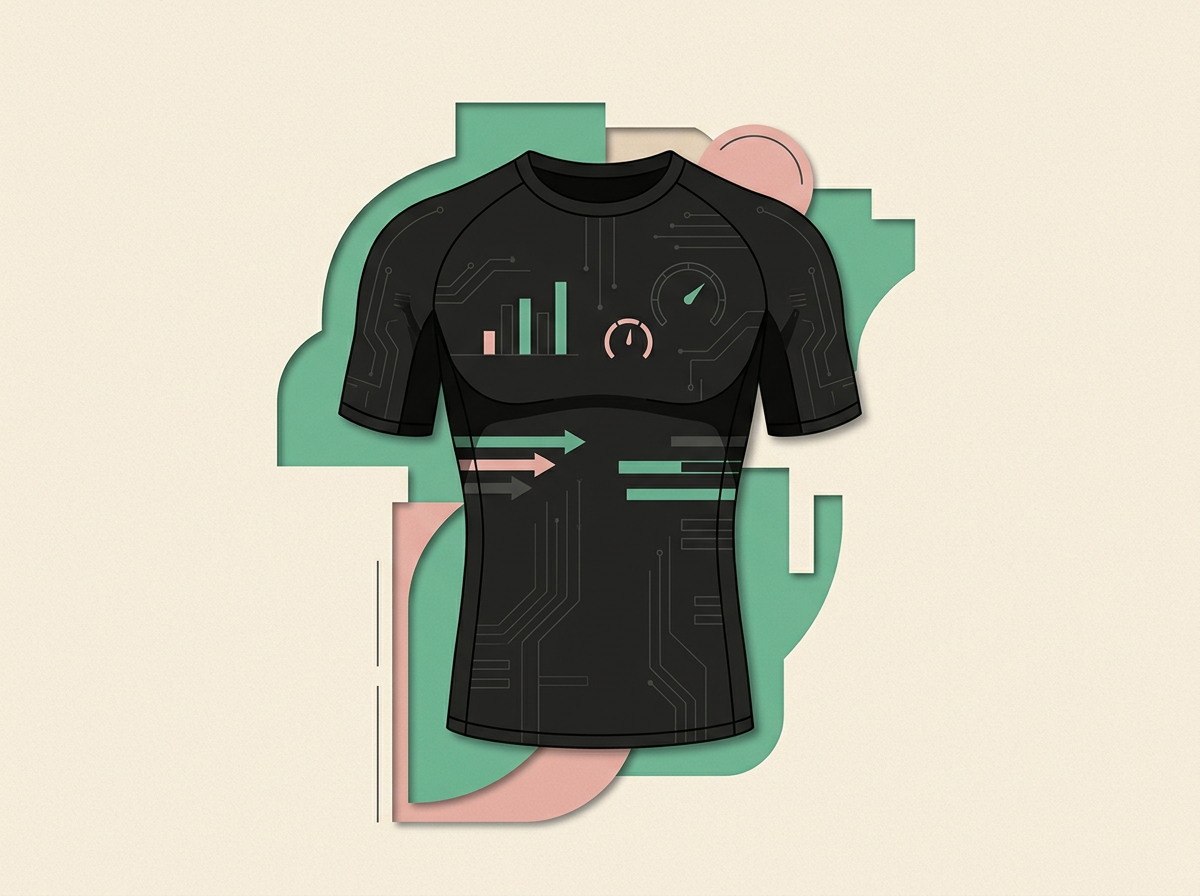
A sleek, black compression shirt with faint, integrated circuit-like patterns
The Great Supplement Crackdown
The FDA/EMA joint guidance is a shot across the bow for the supplement industry, particularly the high-growth nootropics and adaptogens segment. For too long, brands have hidden behind vague claims of "supporting focus" or "promoting calm." The new rules propose a tiered system: claims of general well-being are still permissible, but specific claims about enhancing cognitive function, memory, or reducing medically recognized anxiety will require randomized controlled trials, much like pharmaceuticals. This will likely trigger a massive market consolidation, with well-capitalized, research-led brands surviving and the "magic dust" peddlers facing an existential crisis. It’s a win for consumers, but a reckoning for a huge swath of the industry.
The line between wellness and medicine is blurring, and regulators are finally bringing a measuring tape and a rulebook.
What this means for you
This collision of tech, data, and regulation can feel overwhelming. The key is to see it not as noise, but as a set of new tools to be used with intention. The rise of data-driven fitness offers an incredible opportunity to train smarter, not just harder. But it also requires a new level of personal literacy. Understanding your own data—be it from a MetCon class or smart apparel—is the first step. If you're feeling lost in the data deluge, working with a professional who can translate it into actionable insights is invaluable. The best coaches are now part data analyst, part motivator, and you can find your match through the Codex intake.
As the digital and physical wellness worlds merge, curation becomes more critical than ever. It's no longer just about finding a good yoga class; it's about finding the right tools, coaches, and studios that align with your specific goals and your comfort level with data sharing. Whether you're looking for a low-tech human connection with a verified coach or the latest bio-hacking protocol, the paradox of choice is real. Using a service like Codex helps cut through the noise to find the single, verified option that works for you, and for teams looking to empower their employees, Codex Credits offer a flexible way to invest in their well-being across this entire evolving landscape.
Verdict
This week wasn't an anomaly; it was an acceleration. Big tech is coming for your headspace, your gym is turning into a science lab, and your t-shirt will soon be smarter than your first phone. This is the new terrain of wellness: complex, data-rich, and ripe with both promise and peril. Navigating it requires a clear head and a trusted guide.
FAQ
What is a 'Metabolic Conditioning' or 'MetCon' studio?
It's a new type of boutique fitness studio where workouts are guided by real-time biometric data, such as continuous glucose monitoring. The goal is to optimize metabolic health, hormonal response, and longevity, rather than just focusing on calorie burn or aesthetics.
Should I be concerned about a tech company buying my meditation app?
It's a valid concern. While it could lead to better integration with other health apps, it also raises questions about data privacy and how your mood and mindfulness data might be used. It’s wise to review the app's privacy policy following any acquisition.
Is 'smart apparel' actually useful now?
It's getting there. Early versions were often clunky, but new lines from major brands feature integrated, washable, and self-powering sensors. They can provide valuable feedback on muscle activation and form, previously only available in performance labs.
What do the new supplement regulations mean for me?
They mean that brands making specific health claims (e.g., 'improves memory') will need to back them up with scientific proof, similar to pharmaceuticals. This should lead to higher quality, more effective products and fewer misleading claims.