The autumn leaves are turning, and so are the gears of the wellness industry. This week felt less like a gentle turning and more like a seismic shift, the kind that redraws maps and sends cartographers scrambling. From the hallowed halls of Mountain View to the hushed, ambient-lit corridors of a new breed of social club, the message is clear: the passive consumption of wellness is over. The future is proactive, personalized, and, in some cases, a little unsettling.
We saw a tech giant make a definitive play for your medicine cabinet, a new social concept prove that "recovery" is the new "night out," and a regulatory body in Brussels cause a collective migraine across the European supplement industry. It was a week that reminded us that wellness isn't just a market; it's a rapidly evolving cultural and technological frontier.
What's happening
The biggest headline of the week, one that echoed far beyond the wellness bubble, was Google's unveiling of the "Nest Health" pod. After years of rumours and quiet acquisitions in the biotech space, the company finally showed its hand. This isn't another sleep-tracking ring or a mindfulness app. The Nest Health is a sleek, counter-top device that promises daily, non-invasive analysis of key biomarkers through saliva and breath samples. It syncs directly with Google Health, providing longitudinal data on everything from cortisol levels and inflammatory markers to nutrient deficiencies.
Elsewhere, the social wellness scene received a jolt of capital. "Remedy House," a chain of "social recovery clubs" that has been a quiet success story in London and Amsterdam, announced a €150 million Series B funding round led by a major sovereign wealth fund. Their model blends high-end recovery tech (infrared saunas, cryotherapy, lymphatic drainage suits) with a hospitality-first approach—think members' club aesthetics, a nootropic bar, and community-led workshops. Their expansion plans are aggressive, targeting 50 new locations across Europe and North America by 2028.
Finally, the supplement world was thrown into disarray. The European Food Safety Authority (EFSA) issued long-awaited guidance classifying certain mushroom extracts, most notably Lion's Mane (Hericium erinaceus), as "novel foods" requiring pre-market authorisation that is significantly more rigorous than for standard food supplements. This move effectively halts the sale of many popular nootropic and "brain health" products across the EU until brands can navigate the costly and lengthy approval process, creating an immediate vacuum in a multi-billion euro market.
Why it matters now
These developments aren't happening in isolation; they are acute symptoms of a broader industry maturation. The at-home diagnostics play by Google is the logical endpoint of the quantified-self movement. According to the Global Wellness Institute (GWI), the "Personalized & Preventive Health" market was already valued at over $500 billion pre-pandemic and is projected to nearly double by 2030. Consumers, armed with data from wearables and a growing distrust of reactive healthcare systems, are demanding more control. Google is not just selling a device; it's positioning itself as the central nervous system for a lifetime of personal health data.
The rise of Remedy House speaks to another powerful trend: the "third space" of wellness. The pandemic dissolved the boundaries between home, work, and gym. Now, as people seek community and connection again, they're looking for destinations that cater to their well-being beyond just a workout. IHRSA data shows that while traditional gym memberships have rebounded, the fastest growth is in boutique studios offering specialized, experience-driven services. Remedy House is betting that recovery, once a solitary post-workout activity, can be the main event—a social, luxurious experience that justifies a premium membership. This is the built environment catching up to the cultural shift highlighted in our regular industry trends reports.
The line between consumer tech and clinical diagnostics is no longer blurry; it has been completely erased.
The Edit
The Self-Diagnosed Self
Google's Nest Health pod is a marvel of engineering, but its true impact is psychological. By providing daily access to data once reserved for clinical labs, it democratizes information while simultaneously creating a new kind of health anxiety. The promise is early detection and optimization; the risk is a generation of wellness hypochondriacs obsessively tracking their C-reactive protein levels. The device itself is minimalist, designed by the same team behind the Pixel phones, and the user interface is deceptively simple. It doesn't give you a diagnosis, but it "surfaces trends" and "suggests lifestyle interventions" or consultations. This is where the human element becomes critical. The data is useless, or even harmful, without proper interpretation. It pushes the role of a health coach from a guide to a necessary interpreter, a translator between raw data and meaningful action.
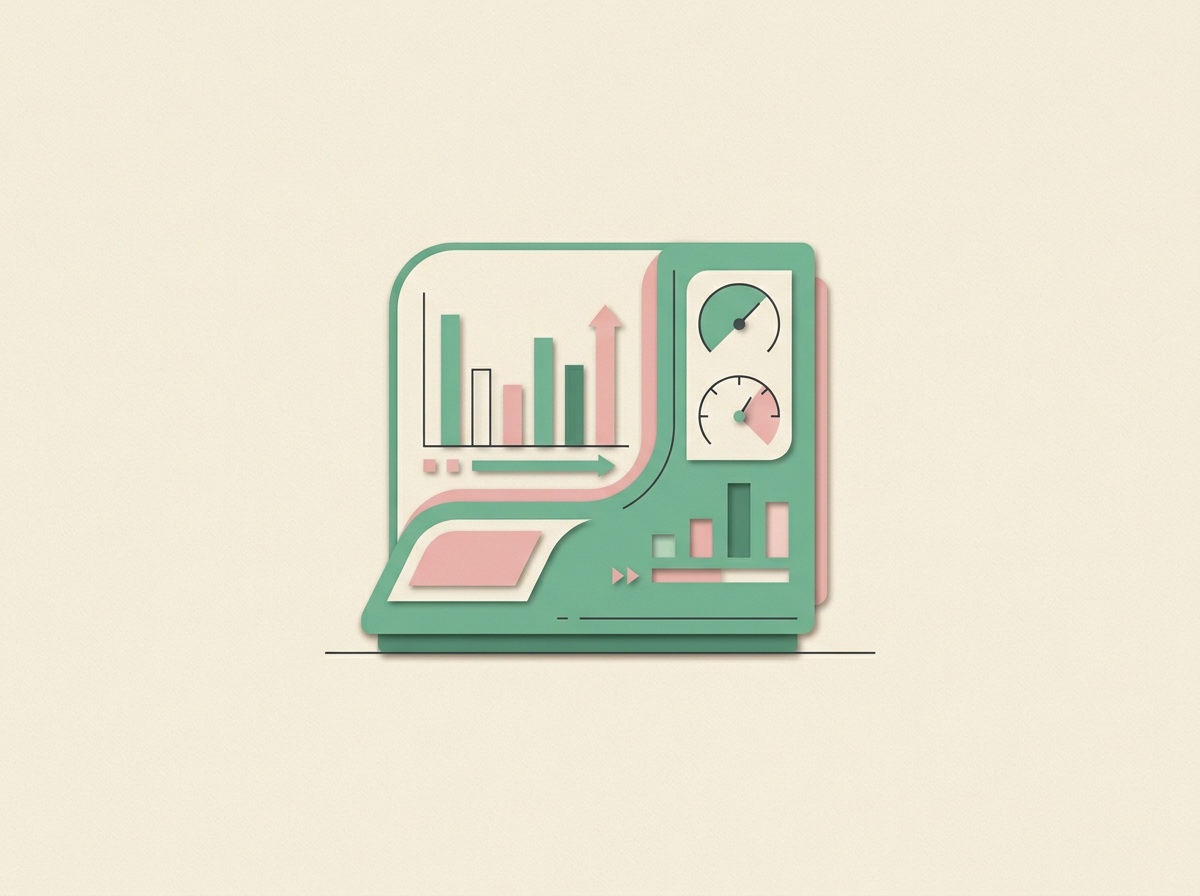
A minimalist countertop health diagnostics pod
The implications for privacy are, of course, immense. Google insists the data is fire-walled and user-owned, but the potential for data aggregation and its use in ad targeting or insurance profiling is a conversation that has only just begun. For now, the Nest Health pod represents the ultimate convergence of big tech and personal health, a powerful tool that places an enormous burden of responsibility on the user.
The Club is the New Clinic
Remedy House is not the first to offer ice baths and infrared saunas, but they are the first to package it so compellingly as a social destination. Walking into their Amsterdam location feels less like entering a wellness facility and more like checking into a boutique hotel. Low lighting, natural materials, and a distinct lack of "gym bro" energy are deliberate choices. The programming is key: instead of a class schedule, they have "journeys"—curated sequences of hot, cold, and compression therapies. Membership includes access to the facilities, but also to workshops on breathwork, nutrition, and even financial wellness, led by a roster of vetted practitioners. You can find similar forward-thinking studios on Codex.
They are tapping into the loneliness epidemic as much as the wellness boom. Their success demonstrates a powerful market demand for spaces that facilitate well-being without the performative intensity of a traditional gym or the sterile atmosphere of a clinic. By focusing on recovery, they've found a category with a lower barrier to entry than high-intensity fitness and a higher potential for relaxation and social bonding. This model will undoubtedly be replicated, and we can expect to see a land grab for prime real estate as competitors scramble to build their own recovery-centric social clubs. The challenge will be maintaining authenticity and a sense of community as they scale.
The Mushroom Cloud
The EFSA's ruling on Lion's Mane is a classic case of regulation playing catch-up with market trends. For years, brands have been marketing mushroom supplements with impressive, if often unsubstantiated, claims about cognitive enhancement and nerve growth. The "novel food" designation is the EU's way of hitting the brakes and asking for the receipts. While frustrating for brands and consumers who swear by these products, it’s a necessary step toward a more transparent and scientifically-backed supplement industry. You can explore our curated range of verified wellness products here.
The immediate effect is chaos. Brands are pulling products, and contract manufacturers are scrambling to understand the new compliance pathways. In the long term, however, this could be a good thing. It will force companies to invest in proper clinical trials, separating the legitimate players from the "pixie dust" marketers. The winners will be the brands that can produce the data to back up their claims, earning a coveted EU market authorisation that becomes a powerful marketing tool in itself. For consumers, it means a future where the claims on a bottle of nootropics might actually be trustworthy. In the meantime, the grey market will likely thrive.
Wellness is no longer just something you do, but somewhere you go. The club is the new clinic.
What this means for you
This week's news can feel abstract, but the undercurrents will shape how you manage your well-being. The arrival of devices like the Nest Health pod means you'll soon have access to an unprecedented amount of data about your own body. This is powerful, but it can also be overwhelming. The key will be not to navigate it alone. Pairing this technology with a human expert, like one of the verified health coaches on Codex, allows you to turn raw numbers into a sustainable, personalized plan. A coach can provide context, accountability, and a crucial buffer against data-induced anxiety.
The growth of social wellness spaces like Remedy House means you have more options than ever for investing in your health. It’s no longer just a choice between a big-box gym and a yoga studio. As new concepts emerge, finding the right fit for your goals and personality becomes even more important. This is precisely the problem our AI-powered intake is designed to solve, matching you with the ideal coach, studio, or event. And for businesses, the trend highlights the need for a modern approach to employee wellness; offering Codex Credits provides your team with the flexibility to explore these new modalities, from social recovery to one-on-one coaching.
Verdict
The wellness landscape is being terraformed by technology, capital, and regulation. This week was a stark reminder that staying informed is no longer optional. Whether it's a new device on your kitchen counter, a new club on your street corner, or a new rule from Brussels, these changes are redefining the very meaning of personal health and demanding a more active, discerning role from all of us.
FAQ
What is the Google Nest Health pod?
The Nest Health pod is a new at-home device from Google that analyzes saliva and breath samples to track key health biomarkers like inflammation, nutrient levels, and stress hormones. It syncs with Google Health to provide longitudinal data and personalized lifestyle suggestions.
What is a 'social recovery club'?
A social recovery club, like the featured 'Remedy House', is a new type of wellness space that combines recovery technologies (saunas, cold plunges) with a members' club atmosphere. They focus on community and hospitality, positioning recovery as a social activity rather than a solitary one.
Why did the EU restrict Lion's Mane supplements?
The European Food Safety Authority (EFSA) reclassified Lion's Mane as a 'novel food', not an outright ban. This means it requires a more rigorous pre-market safety assessment and data proving its efficacy, a higher bar than for typical supplements, effectively pausing sales until companies can meet these new requirements.
How can I make sense of all this new health data?
Access to more health data can be overwhelming. The most effective approach is to work with a qualified professional, such as a health coach, who can help you interpret the data, provide context, and create an actionable plan that fits your life, preventing data-induced anxiety.