The conference table is a controlled chaos of prototypes, pitch decks, and half-empty mugs of single-origin coffee. Outside, a late summer sun slants across the city, but in here, we’re deep in the weeds of Q1 2027. A debate is quietly simmering about the merits of a new haptic wearable versus the efficacy of a centuries-old breathwork technique it claims to automate. This is the Codex vetting process in microcosm: a continuous, rigorous, and occasionally argumentative dialogue about what is truly effective, not just what is new.
Every week, we are inundated with the future of wellness. It arrives in beautifully designed boxes, persuasive emails, and introductions from venture capitalists. Our job is to act as the industry's most discerning filter. We are not here to chase hype. We are here to find the signal in the noise, to identify the tools and practitioners that deliver tangible, lasting value. This desk-side dispatch is a look at what currently holds our attention: the products we’re putting through their paces, the studio concepts we’re visiting, and the coaching methodologies we believe could reshape personal development.
What's happening
For a trend to make it onto this table, it must promise more than novelty. We look for a fundamental shift in approach, a solution to a problem that users may not have even articulated yet. Currently, we’re tracking three distinct but related currents. The first is in hardware, where the race for more data is being replaced by a quest for more intuitive, less intrusive feedback. It’s a move from the quantified self to the qualified self, where the feeling of well-being is prized over the chart that claims to represent it.
The second is in physical fitness. The pendulum is swinging away from the punishing, all-or-nothing intensity of the last decade. Studio owners and programmers are finally acknowledging the reality of the human nervous system, designing sessions that build resilience rather than simply exhaust it. This isn't about going soft; it's about getting smart, working with the body's natural rhythms instead of waging war against them.
Finally, the world of coaching is undergoing a subtle but profound evolution. After years of focusing on cognitive frameworks, top-tier coaches are turning their attention to the physical body as the source of both limitation and liberation. They’re asking not just “What do you want to achieve?” but “What does that achievement feel like?” This somatic approach is closing the persistent gap between knowing what to do and actually being able to do it.
Why it matters now
After a period of explosive, often indiscriminate growth, the wellness consumer is becoming more sophisticated and, frankly, more skeptical. The era of collecting expensive gadgets that end up in a drawer and downloading apps that go unused is drawing to a close. According to recent Global Wellness Institute (GWI) analysis, while overall spending remains robust, the growth is now concentrated in services and experiences over standalone products. People are tired of being the unpaid integration manager for their own well-being, stitching together a half-dozen subscriptions to achieve a single goal.
This points to a broader trend of consolidation and curation. The market is saturated, and attention is the scarcest resource. Consumers are actively seeking trusted filters to make decisions for them. They don't want more choice; they want one, better choice. This fatigue with a fragmented ecosystem is precisely why we built Codex, but it also fuels the very trends we’re now investigating. The most promising new ventures aren’t adding to the noise; they are offering a more elegant, integrated, and effective way to achieve a desired state of being.
In a market saturated with options, the most valuable service isn't more choice, but the confidence of a single, correct one.
The Picks
Here’s a closer look at three specific examples of these trends that we are currently evaluating. Our review process is ongoing, and a mention here is not an endorsement—yet. It is, however, a mark of genuine potential.
The Hardware: Somatic Sonics 'Rhythm' Ring
This small, matte-black titanium ring does not have a screen. It doesn’t track your sleep, your steps, or your heart rate variability in a way that requires you to check an app. Instead, its sole function is to provide silent, gentle, haptic feedback. Paired once with a simple app, you can program it to guide you through breathing exercises, nudge you when your posture slumps (calibrated via your phone's gyroscope), or deliver a subtle pulse to bring you back to the present moment during a stressful meeting. It’s designed for ambient, somatic awareness.
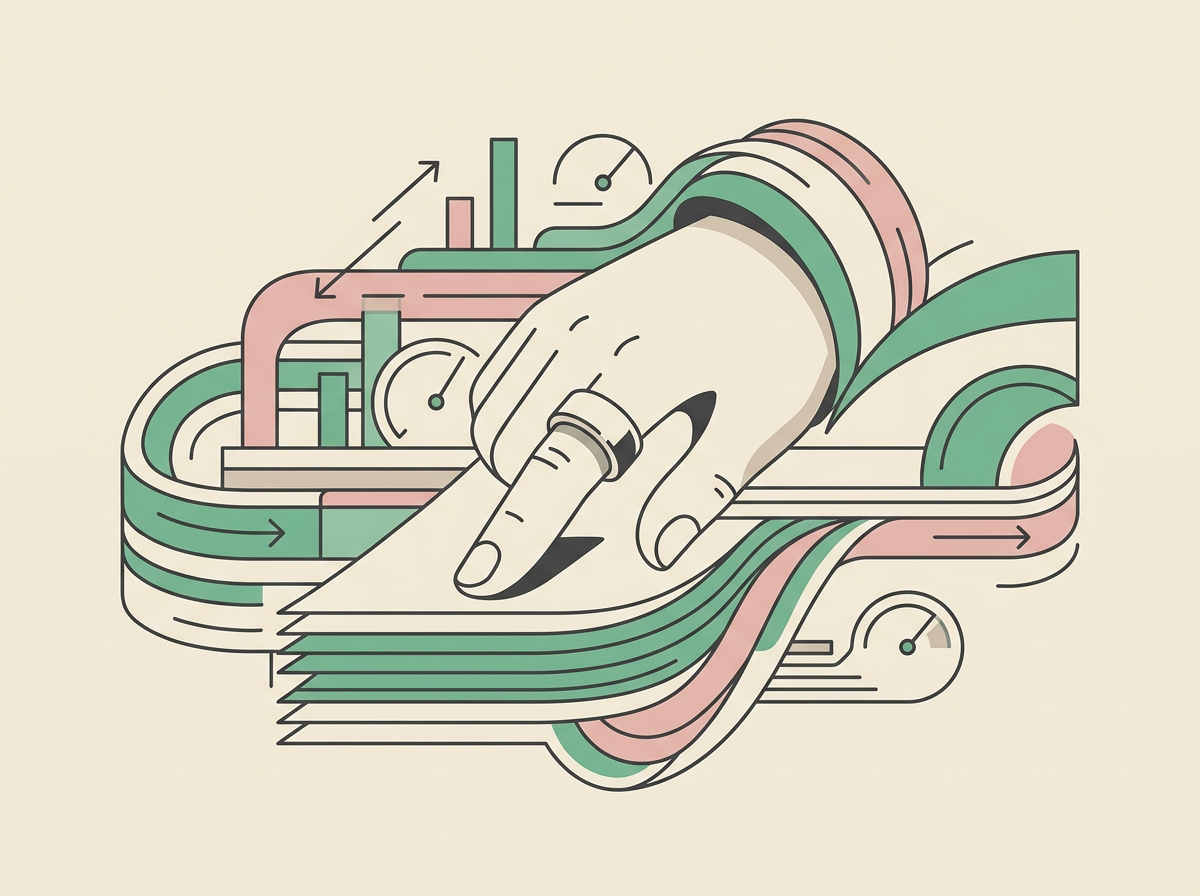
a minimal photo of the Rhythm ring on a finger
- Verdict: A compelling antidote to screen-based wellness; its ultimate utility will depend on the subtlety and accuracy of its haptic engine.
- Who it's for: Meditators, stressed executives, and anyone trying to build a better mind-body connection without another data stream to manage.
- Price Band: €250–€350
The Studio: 'Tempo' and Variable-Intensity Training
We've visited a handful of independent studios, from London to Los Angeles, that are pioneering what we’re calling Variable-Intensity Training (VIT). It’s a direct response to the metabolic damage and high injury rates associated with a pure high-intensity interval training (HIIT) diet. A typical 60-minute VIT class at a studio like "Tempo" (a conceptual blend of a few we’ve seen) might start with 15 minutes of dynamic mobility and breathwork to down-regulate the nervous system. This is followed by a 20-minute block of genuine strength work—heavy, controlled lifts. Only then does it move into a 15-minute, high-intensity metabolic conditioning peak, before finishing with a non-negotiable 10-minute cool-down focused on parasympathetic recovery.
- Programming: It’s intelligent, periodized programming within a single session, respecting physiological limits while still pushing them. The goal is athletic development, not just calorie burn.
- Vibe: Focused, calm, and purposeful. The music gets loud, but the vibe isn't frantic. It feels more like a training facility than a party.
- Results: Proponents claim it delivers superior strength and conditioning results with a fraction of the burnout and injury risk, making fitness a truly lifelong pursuit.
The Methodology: Embodied Goal Setting (EGS)
This is the most abstract but perhaps most powerful trend we’re tracking, primarily through our network of verified coaches. EGS moves beyond the purely cognitive realm of S.M.A.R.T. goals and asks the client to explore the somatic signature of their ambition. A coach trained in EGS might ask a client seeking a promotion, “Set aside the title and the money. What is the physical feeling of the confidence and authority you expect to have in that role? Where does it live in your body?”
- How it works: Through a combination of targeted questions, breathwork, and visualization, the coach helps the client generate and anchor this desired physical state. The theory is that by giving the nervous system a clear, felt sense of the goal, the path to achieving it becomes more intuitive and less reliant on sheer willpower. It’s about aligning the body’s intelligence with the mind’s intention.
- Who it's for: High-achievers who feel stuck or disconnected from their goals, individuals experiencing professional burnout, and anyone who intellectually knows what they want but struggles with self-sabotage or procrastination.
The body not only keeps the score of our past traumas, but also holds the instruction manual for our future successes.
What this means for you
These currents—intuitive hardware, sustainable training, and embodied coaching—all point to a more integrated and mature vision of well-being. The takeaway is not that you need to buy a haptic ring or find a VIT class tomorrow. The takeaway is that the market is finally catching up to the simple truth that a divided self cannot be well. Your mind, body, and the technology you use should work in concert, not in conflict.
This is the philosophy that underpins our entire curation model. When you use the Codex intake, our AI isn't just matching keywords; it's looking for the right modality and the right expert to integrate your goals into a single, cohesive plan. Whether it’s finding a coach who practices cutting-edge techniques like EGS, a studio that respects your physiology, or the one piece of equipment from our Products section that will actually serve you, the goal is to provide that one, better choice. For businesses looking to provide meaningful wellness benefits, equipping your team with Codex Credits provides direct access to this vetted ecosystem, saving them the fatigue of navigating the noisy marketplace themselves.
Verdict
As we look toward 2027, the most exciting frontier in wellness is not a radical new discovery, but a radical new integration of what we already know. It's the synthesis of ancient wisdom with subtle technology, of peak performance with deep rest, and of mental ambition with bodily intelligence. The future of wellness is less about doing more, and more about being more connected.
FAQ
What is the Codex vetting process?
Our process involves market research, hands-on testing of products, visiting studios, and interviewing coaches. We evaluate everything based on efficacy, quality, and its alignment with a holistic, integrated approach to well-being, moving beyond marketing hype to find what truly works.
What is Variable-Intensity Training (VIT)?
VIT is a fitness methodology that structures workouts to include distinct phases of mobility, strength, high-intensity conditioning, and nervous system recovery within a single session. It aims to provide comprehensive athletic development while reducing the risk of burnout and injury associated with purely high-intensity programs.
How does Embodied Goal Setting (EGS) differ from traditional goal setting?
Traditional methods like S.M.A.R.T. goals are purely cognitive. EGS is a somatic approach where a coach helps you identify and anchor the physical sensations associated with achieving your goal, aligning your body's intelligence with your mind's ambition to make follow-through more intuitive.
Are the products and services mentioned here available on Codex?
A mention in this column means a product or methodology is currently under review by our editorial and curation team. Once an item passes our vetting process, it may become available on our marketplace or be represented by the coaches and studios we feature.