Late August has a particular hum. The frantic energy of summer travel recedes, replaced by a collective, quiet inhale. It’s a liminal space between holiday indulgence and the back-to-school structure of September. We trade airport lounges for our own living rooms, beach runs for the familiar rhythm of a commute. This seasonal shift is always a moment of recalibration for the wellness industry, a time when new intentions are set and new patterns are forged.
This year, that shift feels more profound. The conversation has moved on from the blunt instruments of counting steps and calories. The prevailing mood is less about frantic optimization and more about systemic harmony. It’s a quieter, more intelligent pursuit of well-being, focused not on what we can add or subtract, but on how well our internal systems are communicating.
What's happening
This week, three distinct but related currents have become impossible to ignore. First is the mainstreaming of ‘metabolic flexibility’ as the north star for personal health, moving far beyond the niche worlds of elite athletes and biohackers. It’s a concept that treats the body’s energy systems less like a simple engine to be fueled and more like a sophisticated operating system to be tuned. The tools and language for this are finally becoming accessible.
Second, we're seeing the first mature iterations of 'sensory supplementation'. This isn't just a rebrand of aromatherapy. It's the targeted use of light, sound, and scent, algorithmically personalized and delivered through smart home devices, to modulate mood, focus, and even sleep architecture. It’s the environment itself becoming an active participant in our wellness, a silent, invisible coach.
Finally, a quiet rebellion is reshaping the physical fitness landscape. The 'hyper-local' studio model is booming, a direct counterpoint to the sprawling, impersonal big-box gym. These small-footprint spaces, often dedicated to a single modality and situated in dense residential areas, are fostering a new kind of community and a more sustainable model for both coaches and clients. It’s the 15-minute city concept, applied to your deadlift.
Why it matters now
These are not disparate fads. They are a cohesive response to a clear market saturation point. The Global Wellness Institute’s (GWI) mid-year 2026 report noted a significant plateau in user growth for major fitness and nutrition tracking apps for the first time in a decade. Engagement metrics are down; users are reporting ‘data fatigue’. The novelty of logging every meal and every workout has worn off, leaving a desire for something more meaningful and less demanding.
This shift represents a maturation of the wellness consumer. We've graduated from the basic arithmetic of 'calories in, calories out'. The demand now is for integration. How does my sleep affect my food choices? How does my environment affect my stress levels? How does my workout prime my brain for deep work? Answering these questions requires a more nuanced approach than a simple dashboard of metrics. It requires tools and experts who understand the body as an interconnected system, not a collection of isolated stats.
We've moved past the era of bio-hacking our stats into submission; the new frontier is bio-harmonizing our internal ecosystems.
The Shifts
The Metabolism as an Operating System
For years, metabolism was discussed in binary terms: fast or slow. The new conversation, driven by more accessible technology, is about flexibility. Metabolic flexibility is the body's ability to efficiently switch between fuel sources—primarily glucose (from carbs) and fat. A flexible metabolism can burn carbs for high-intensity effort, then seamlessly switch to burning fat during rest or low-intensity activity. An inflexible metabolism, often the result of modern diets and sedentary lifestyles, struggles with this switch, leading to energy crashes, cravings, and difficulty managing weight.
This week saw the announcement of the 'Continuum' biosensor from a Swiss startup, Promethean Labs. Unlike earlier continuous glucose monitors (CGMs), the Continuum is a multi-analyte patch that tracks not just glucose but also lactate and ketone levels in interstitial fluid. It provides a real-time, dynamic view of what your body is burning for fuel. Paired with its app, it doesn't just give you data; it offers prompts like, “A 10-minute walk now would help clear post-meal glucose,” or, “You’re in a fat-burning state, ideal for your scheduled mobility session.” It reframes nutrition and exercise not as debts and credits, but as levers for tuning your metabolic engine. It’s a prime example of technology creating a more intuitive, responsive relationship with our bodies.
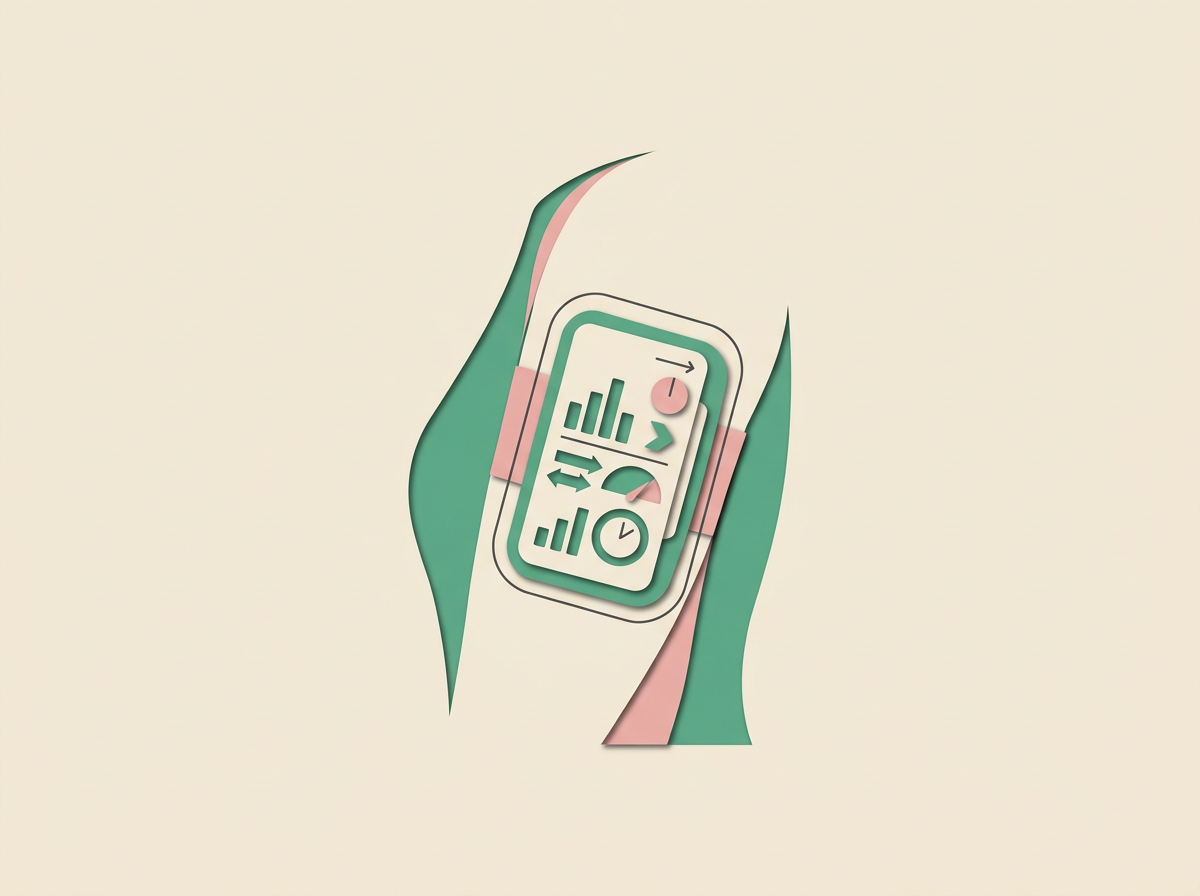
A sleek, minimalist biosensor patch on an arm
Verdict: A game-changer for anyone moving beyond weight loss to genuine metabolic health. For: The data-curious individual, athletes, and anyone struggling with energy regulation. Price Band: High (device subscription model, likely €150-200/month).
The Scent of Productivity
The line between home and office, already blurred, has all but dissolved for many. This has created a new challenge: how to architect our personal space for different mental states. Enter sensory supplementation. While brands like Muji and Vitruvi have long offered pleasant diffusers, the new wave is about active, intelligent modulation.
Aura Labs, a Bay Area newcomer, began shipping its 'Synapse' system this month. It’s a smart diffuser that integrates with your calendar, biometric data (from a paired wearable), and even ambient light sensors. Before a scheduled block of 'deep work', it might diffuse a proprietary blend of rosemary and citrus, known to aid concentration. As you approach a scheduled bedtime, it can shift to a lavender and cedarwood blend while signaling your smart lights to adopt warmer, dimmer tones. The soundscape might shift from a subtle white noise to a low-frequency binaural beat. It's a holistic, automated approach to environment design, turning your home into a responsive ecosystem that gently nudges your nervous system towards the desired state. It’s less about making a room smell nice and more about programming its atmospheric effect.
Verdict: The most compelling evolution of smart home technology in years. For: Remote workers, creatives, and anyone looking to reclaim their home's boundaries. Price Band: Medium-High (starter kit around €350, plus scent subscriptions).
The Fifteen-Minute Studio
The post-pandemic return to gyms has been uneven. While some have flocked back to the megagyms, a significant cohort has sought something different. They want the community and expert guidance of in-person training without the commute, the crowds, and the overwhelming sea of equipment. This has fueled the explosion of hyper-local, single-focus studios. These are small, often owner-operated spaces in residential neighborhoods or ground-floor retail units, specializing in one thing and doing it exceptionally well.
One week you might see a 'Kineo Mobility' studio open, offering nothing but 45-minute guided mobility and stretching classes. The next, a 'Foundry Strength' pod appears, with just four squat racks and a program focused on compound lifts. They thrive on a high-touch, low-volume model. Coaches are not just reps-counters; they are the owners and the community hub. This model is more resilient and profitable for coaches, who can escape the poor economics of big-box gyms, and more appealing for clients who get targeted expertise. It's a key trend Codex is tracking via our talent platform, where studios are increasingly "reverse-recruiting" top-tier coaches to launch these new, localized ventures.
Verdict: A welcome return to human-scale fitness that benefits coaches and clients alike. For: Anyone tired of the big-box gym experience, seeking specialized training and community. Price Band: Medium (typically class packs or small-group memberships, €150-250/month).
The most advanced wellness technology is the one you forget is there, quietly recalibrating your environment and your biology.
What this means for you
The through-line here is a move toward specificity and integration. The generic is giving way to the personal. This is an invitation to ask more of your wellness routine. Instead of just joining a gym, consider what you actually want to achieve. Is it better energy throughout the day? A deeper sense of focus? Relief from chronic back pain? The answers are likely not found in a one-size-fits-all membership.
Start by defining your goals with greater precision. Our intake process is designed for exactly this, moving beyond surface-level questions to understand your unique context and connect you with a single, vetted solution. This might be a coach who specializes in metabolic health and can help you interpret data from a new wearable, or a hyper-local studio that offers the exact kind of training you need, just a ten-minute walk from your door. And if you’re a business leader, it’s time to rethink corporate wellness. A flexible wallet like Codex Credits empowers your team to choose the solutions—be it a specialized coach, a local studio, or a wellness product—that genuinely work for them, acknowledging that well-being is not a monolith.
Verdict
This week's shifts confirm that the future of wellness is fragmented, personal, and deeply integrated into our lives and environments. From our metabolism to our living rooms, the focus is on tuning systems, not just tracking metrics. It’s a more complex landscape to navigate, but for those willing to look beyond the obvious, the rewards are a more sustainable and resonant state of well-being.
FAQ
What is metabolic flexibility?
Metabolic flexibility is your body's ability to efficiently switch between using carbohydrates and fats for energy. A flexible metabolism helps maintain stable energy levels, reduces cravings, and supports overall health, whereas inflexibility can lead to energy crashes and difficulty managing weight.
Is 'sensory supplementation' just expensive aromatherapy?
No. While it uses scent, it's a broader concept that integrates light and sound, all personalized by AI. Unlike passive aromatherapy, it actively modulates your environment based on your schedule and biometric data to support specific mental states like focus or relaxation.
How can I find a hyper-local studio near me?
These studios often rely on word-of-mouth and local discovery rather than large marketing campaigns. You can use platforms like the Codex studios search, which surfaces vetted, independent studios, or simply keep an eye out for new, specialized fitness spaces opening in your neighborhood.
What are the benefits of wellness credits over a corporate gym pass?
Wellness credits, like Codex Credits, offer flexibility and personalization. Instead of a single gym membership that may go unused, employees receive a wallet to spend on services they actually want, from specialized coaching and therapy to boutique fitness classes or wellness products. This leads to higher engagement and acknowledges that well-being is personal.