Mid-November in the northern hemisphere is when the circadian debt collectors come knocking. In Berlin, London, and Amsterdam, the afternoon light now vanishes before the third round of espresso has cleared your bloodstream, and the seasonal collective bargaining with vitamin D has officially begun.
This week, the wellness industry has largely dropped its late-summer obsession with marginal endurance gains and pivoted toward winter survival. From hardware subscriptions facing a long-overdue consumer audit to boutique gyms turning down the volume knob, here is what shifted across the landscape this week.
What's happening
Two distinct movements defined the second week of November: the quiet death of the hardware-plus-subscription model, and the architectural mainstreaming of light therapy. For the past five years, anyone buying a smart ring, a biometric strap, or a temperature-controlled mattress pad was expected to pay a monthly tithe simply to view their own heart rate variability. Over the last seven days, two prominent European recovery brands announced they are stripping paywalls from their core readiness scores, moving instead toward high-margin physical accessories and paid practitioner integrations.
Simultaneously, winter product drops have shifted away from ingestibles and toward environmental control. Rather than launching another mushroom-infused cacao blend, brands are releasing heavy-duty residential circadian lighting systems and acoustic panelling designed for pre-sleep decompression. The consumer has realised that no amount of magnesium glycinate will outrun a 6500K overhead kitchen LED at ten in the evening.
In the physical space, studios are adjusting their programming for the dark months. High-sensory, nightclub-adjacent spin and bootcamp concepts are ceding prime evening timetable slots to slow-tempo strength and mobility classes, acknowledging that sympathetic nervous system overload is a poor antidote to seasonal lethargy.
Why it matters now
The shift from biohacking to environmental hygiene is backed by hard economics. According to the Global Wellness Institute, the wellness real estate and interior environment sector has consistently outpaced traditional supplement growth, expanding at an annual rate exceeding 16 percent over the past five-year cycle. Consumers are fatigued by micro-interventions and are instead spending capital on passive systems—air filtration, water mineralisation, and dynamic lighting—that do not require daily discipline.
Meanwhile, the American College of Sports Medicine and the Health & Fitness Association have both noted in recent industry briefings that member retention in the fourth quarter is increasingly tied to recovery and mental health infrastructure rather than high-intensity throughput. When Strava data shows outdoor mileage predictably dipping across northern cities in November, the studios that capture that migrating volume are the ones offering warmth, nervous system regulation, and unhurried coaching.
No amount of magnesium glycinate will outrun a 6500K overhead kitchen LED at ten in the evening.
The picks
1. Sunne Solar Sconce (2026 Studio Edition)
Dutch solar designer Marjan van Aubel’s studio has updated its self-powered indoor light fixture for the winter home office. The unit harvests ambient daylight through photovoltaic cells integrated directly into the anodized aluminium frame and discharges a calibrated sunset spectrum in the evening. It requires no wiring, zero app subscriptions, and looks like an actual piece of industrial design rather than a medical device borrowed from a dermatology clinic. It is built for remote workers whose apartments face brick walls, priced at €780.
2. The Zero-Decibel Lifting Club
This week in London’s Clerkenwell, boutique operators began trialling sound-dampened lifting hours—no playlists, no mic’d-up instructors shouting motivational platitudes, and rubberised plates engineered to eliminate the metallic clatter of a dropped barbell. The programming focuses on four compound lifts, five-minute rest intervals, and strict nasal breathing. The target audience is burned-out executives who want progressive overload without the sensory assault of a traditional box gym. Expect to see this format expand across verified /studios before January.
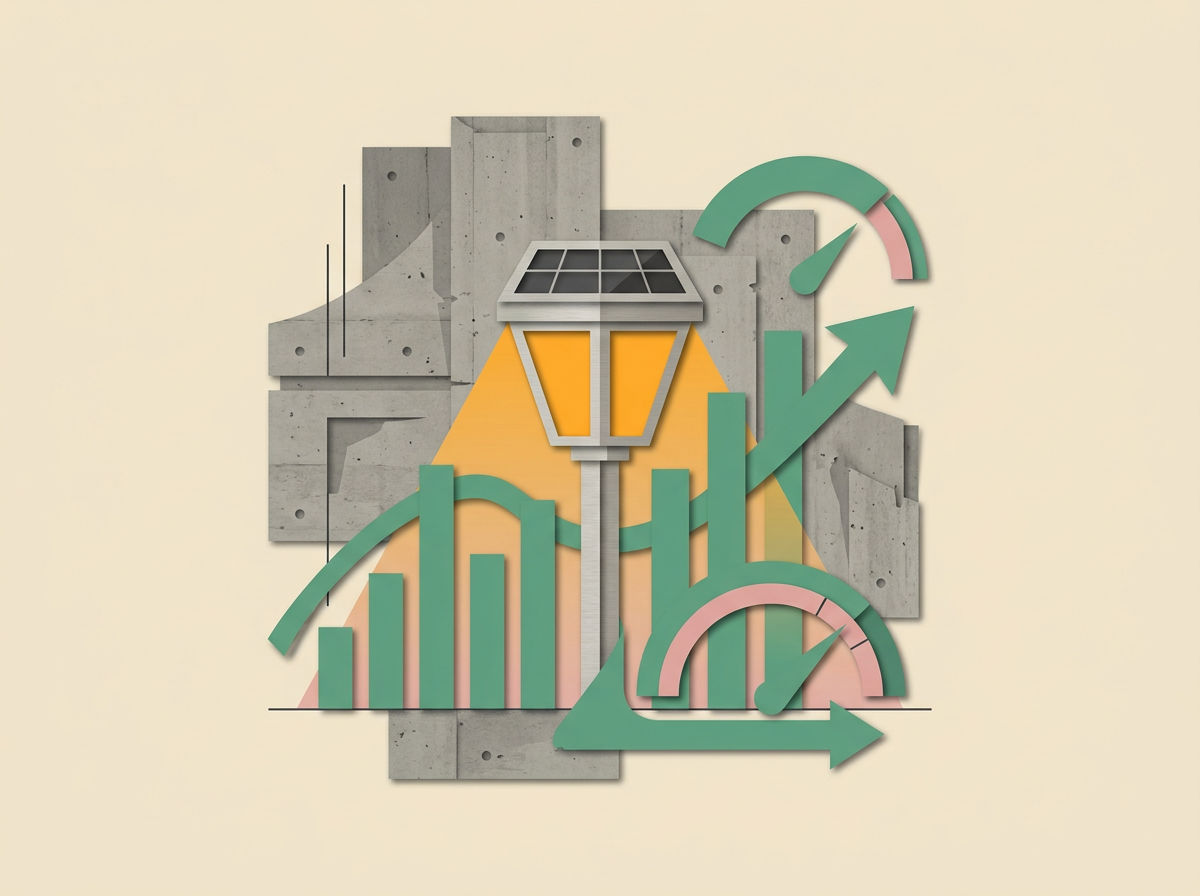
Brushed aluminium solar lamp glowing amber on a brutalist concrete wall
3. Nornir Cold-Weather Merino Shell
Scandinavian technical apparel startups are finally solving the winter runner’s primary dilemma: boiling alive at kilometre three after freezing at kilometre one. Nornir’s latest drop uses a densely woven, untreated Norwegian wool outer layer bonded to a hydrophobic grid backing, completely bypassing PFAS forever-chemicals and crinkly plastic membranes. It breathes like a sweater, blocks freezing Baltic wind, and does not smell like a wet dog after one tempo session. Built for outdoor purists logging base miles through February, sitting in the €340 price band.
4. The Return of the Unconnected Chronograph
Perhaps the most telling cultural moment of the week came from Geneva, not Silicon Valley. Independent watchmakers are reporting a surge in buyers trading their black-screen wrist computers for mechanical chronographs with simple pulsometer scales—originally designed for doctors in the 1920s to count heart rates over thirty beats. Athletes are keeping their optical sensors for the sixty minutes they are actually training, then taking them off to reclaim their wrists from Slack notifications and sleep-score anxiety.
5. Glycogen-First Winter Broths
On the nutrition front, the keto hangover is thoroughly dead. Several culinary-led wellness kitchens in Paris and Copenhagen launched winter delivery drops centered around high-collagen, slow-simmered bone broths fortified with root-vegetable starches and sea salt. Rather than preaching fasted morning punishment in four-degree weather, endurance nutritionists are reminding amateur athletes that immune function in November requires adequate carbohydrate availability and core warmth.
Athletes are keeping their sensors for the sixty minutes they are actually training, then reclaiming their wrists from sleep-score anxiety.
What this means for you
If your current November routine looks identical to your July routine, you are likely fighting your own endocrinology. The smartest adjustment you can make this week is auditing your evening light environment and swapping at least one high-intensity metabolic conditioning session for heavy, slow-tempo resistance work or heat therapy. You do not need another monthly software subscription to tell you that sleeping in a dark, cool room makes you feel human.
Instead of doom-scrolling through contradictory winter protocols or buying four different adaptogenic tinctures found on /products, use the seasonal slowdown to work with someone who actually understands periodisation. You can browse the latest macro shifts on /trends, filter directly for seasonal strength specialists on /coaches, or skip the directory entirely and run a two-minute diagnostic on /intake to get matched with one verified human practitioner who can rebuild your winter baseline.
Verdict
November 2026 marks the moment wellness grew tired of constant digital surveillance and started investing in physical comfort. Upgrade your light bulbs, drop the wearable subscription that charges you to read your own pulse, and lift heavy things in a quiet room until spring arrives.
FAQ
Why are wellness brands moving away from subscription-based wearables?
Consumers have reached subscription fatigue and are pushing back against paying monthly fees to access their own biometric data. Hardware companies are adapting by unlocking baseline readiness metrics for free and monetizing through physical accessories or live coaching integrations.
What is low-cortisol strength training?
Low-cortisol training focuses on heavy, slow-tempo compound lifts with generous rest intervals of three to five minutes and nasal breathing. Unlike high-intensity circuit classes with loud music, it builds neuromuscular strength without spiking stress hormones.
How does architectural circadian lighting differ from a SAD lamp?
While traditional SAD lamps blast high-lux blue-enriched white light into your eyes for twenty minutes in the morning, circadian lighting systems adjust their color temperature throughout the entire day. They provide bright daylight tones at noon and shift to zero-blue amber wavelengths at night to protect melatonin production.
Should I change my workout schedule in November?
Sports physiologists recommend shifting volume away from peak-intensity glycolytic workouts during the darkest winter months to protect immune function. Replacing one weekly bootcamp with heavy resistance work or mobility training aligns better with seasonal circadian shifts.