The late summer air has a specific quality to it, a feeling of borrowed time before the annual pivot. Autumn brings with it a collective urge to reset, a 'back to school' energy that permeates everything from our wardrobes to our workflows. In wellness, this manifests as a search for new protocols and a recalibration of old ones. It’s a time for taking stock, not just of the summer we’re leaving behind, but of the architecture of our own wellbeing.
This year, the shift feels less about frenetic new beginnings and more about considered, systemic upgrades. The conversations are quieter, more nuanced. It’s less about discovering a single new workout and more about refining the entire operating system. The questions we’re asking have matured: not ‘what’s new,’ but ‘what works, and for how long?’
What's happening
Three distinct signals emerged this week that paint a picture of a sector maturing beyond novelty. First, the rarefied world of the longevity clinic, long the domain of Silicon Valley biohackers and nine-figure executives, is being unbundled. A new generation of services is emerging, offering key pillars of preventative medicine—advanced diagnostics, nutritional programming, personalized supplementation—through more accessible subscription models. This is longevity-as-a-service, moving from a one-off, five-figure indulgence to a manageable monthly operational expense for your own health.
Second, in the world of performance apparel, a fascinating counter-rotation is underway. For years, the narrative has been about embedding more technology into our clothes: more sensors, more data, more connectivity. Now, leading-edge material science brands are pulling back, launching collections that are explicitly ‘dumb.’ The innovation isn't in the electronics, but in the textile itself—biologically-derived, self-healing, and impossibly light fabrics that enhance performance without needing to be charged. It’s a quiet rebellion against data fatigue.
Finally, the notoriously slow-moving world of corporate wellness is having its 'software eats the world' moment. Following years of employee complaints about one-size-fits-none gym memberships, major firms are finally ditching restrictive legacy perks. In their place, flexible wellness wallets and credit-based systems are becoming the new standard, trusting employees to build a wellness routine that actually fits their life. It’s a profound shift from prescribed benefits to personalized agency.
Why it matters now
These are not isolated events; they are lagging indicators of a deep-seated change in consumer behavior. The demand for personalization is no longer a privilege, but an expectation. According to the Global Wellness Institute's forward-looking 2025 report, the market for 'Personalized & Preventative Health' is projected to outpace all other wellness sectors, growing at a compound annual rate of nearly 10%. Consumers are no longer willing to accept generic advice or one-size-fits-all solutions, whether from their doctor, their employer, or their running jacket.
This is the maturation of the wellness consumer. We’ve graduated from dabbling in trends to building a personal health stack. A recent Strava user survey hinted at this, noting a plateau in the use of app-connected smart clothing, while engagement with specialized coaching and hyper-specific training plans continues to climb. People don't necessarily want more raw data; they want more actionable insight and expert guidance. This explains both the appeal of a service that interprets your blood work and the fatigue with a t-shirt that just tells you your heart rate—a metric your watch already provides.
We're moving from a 'fix me when I'm broken' model to a 'keep me from breaking' operating system for the self.
The Edit
The Subscription Longevity Clinic
The most notable launch this month is Momentum Health, a service that crystallizes the move toward democratized preventative medicine. Instead of the typical high-cost, in-person evaluation at a gleaming facility, Momentum operates on a remote-first, subscription basis. For a monthly fee starting around €300, members receive at-home blood testing kits quarterly, a continuous glucose monitor (CGM), and assigned access to a nutritionist and health coach via the platform. The focus is on metabolic health, inflammation markers, and nutrient deficiencies. It's the 80/20 of longevity science, packaged for the discerning professional who has more ambition than time. It strips away the cryotherapy and esoteric IV drips, focusing instead on the foundational data that can guide meaningful, daily habits.
The Return of 'Dumb' Fabric
Aetherium, a technical apparel brand that has cultivated a following among climbers and trail runners, just dropped its 'Biosystem' collection. The headline piece, the Anorak, is notable for what it lacks: any form of electronics. Instead, the focus is entirely on the proprietary fabric, a membrane grown from bacterial cellulose and reinforced with a synthetic spider silk analogue. It's ludicrously light, fully biodegradable, and passively regulates temperature with uncanny efficiency. The brand's marketing is a direct shot across the bow of the wearables industry, with taglines like 'Performance, not Petabytes.' It’s a bet that the ultimate luxury is a piece of gear so good, you forget it’s there—because it isn’t demanding your attention or harvesting your data.
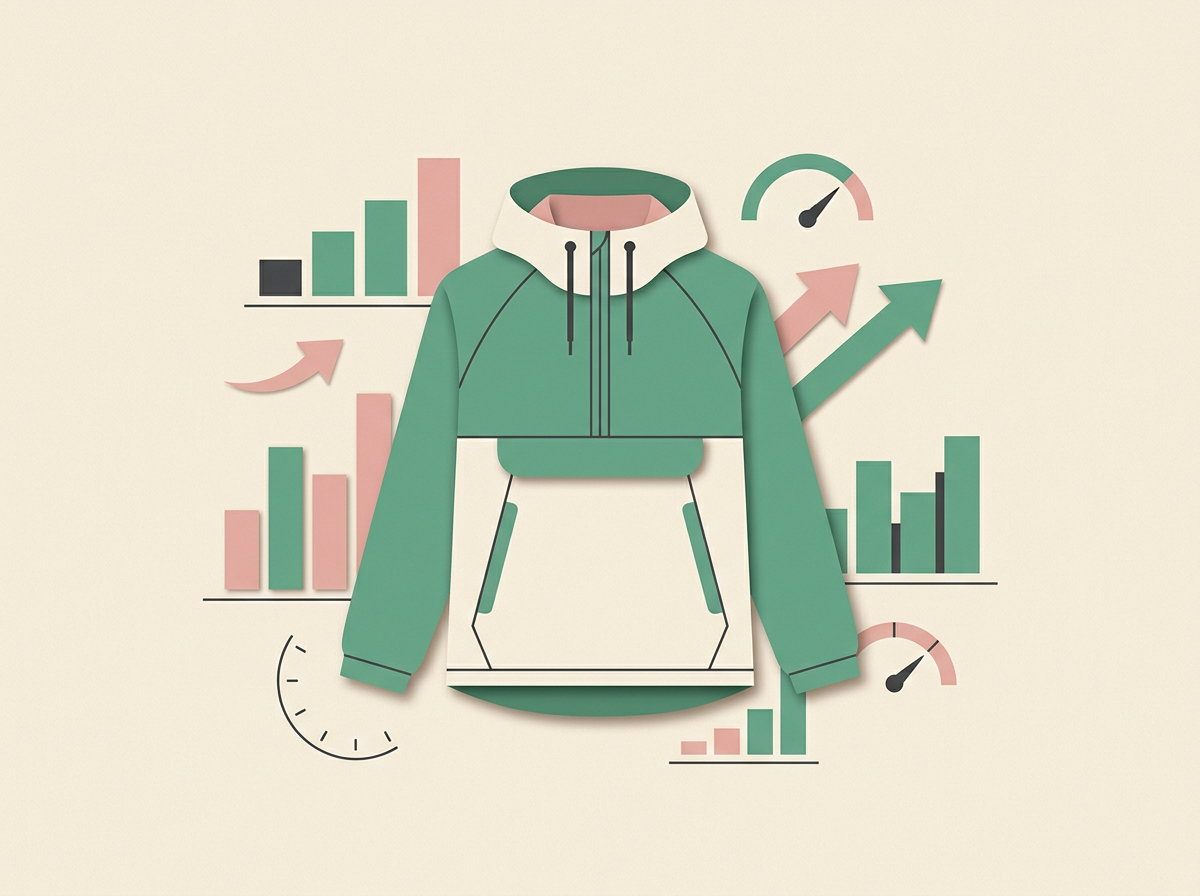
A minimalist product shot of the Aetherium anorak
The Corporate Wellness Wallet
The memo that landed in Deloitte employees' inboxes last week was quiet but seismic. The global consulting giant announced the termination of its long-standing global partnership with a major gym chain. Effective Q4 2026, it will be replaced by a flexible wellness stipend, administered as credits on a third-party platform. The internal justification cited low utilization rates for the gym benefit (under 15% globally) and overwhelming demand—gleaned from internal surveys—for choice. Employees now can spend their allowance on anything from therapy sessions and coaching to yoga studios and meditation apps. This move by a conservative, bellwether firm signals a tipping point for the corporate wellness industry.
The Great Unbundling of Mental Health
This isn't a product launch, but a cultural one we're tracking on our /trends dashboard. The conversation is shifting from the monolithic idea of 'being in therapy' to a more sophisticated, modular approach. On podcasts and social feeds, you now hear people talking about their 'personal board of directors': a career coach for professional growth, a somatic therapist for processing stress, a nutritionist for gut-brain axis health, and perhaps a traditional psychotherapist for deeper work. It reflects an understanding that no single practitioner can solve every problem. This unbundling creates a navigation challenge, but it allows for a highly personalized and effective support structure, moving beyond a single point of failure.
The ultimate luxury in wellness is no longer the treatment, but the precise diagnosis that tells you which treatment you actually need.
What this means for you
These shifts from macro to micro, from generic to specific, place a new responsibility on the individual. The good news is that the tools for managing this complexity are finally here. The rise of accessible longevity services means that establishing a baseline for your metabolic health is no longer an exotic luxury. The pivot in performance wear is a reminder to invest in quality and function over data-driven novelty. And the changes in corporate wellness mean it might be time to ask your own employer for more flexible benefits; pointing them toward modern solutions like /credits can make you a hero in the office.
Most importantly, the unbundling of mental and professional support means you can, and should, assemble your own team. The era of relying on one guru is over. Today, it’s about finding the right expert for the right problem. A platform that can help you navigate this new landscape is no longer a convenience; it’s a necessity. Using a single, intelligent entry point like the Codex intake allows you to define your goals and get a single, verified match from a pool of vetted /coaches and /studios, saving you the endless guesswork of building your personal wellness council.
Verdict
The wellness landscape of late 2026 is less about chasing fleeting trends and more about building a durable, personalized infrastructure for your health. The tools are becoming more powerful, the corporate world is slowly catching up, and the focus is rightfully returning to expert guidance over raw data. Navigating this new territory requires discernment, but the potential for a truly integrated and preventative approach to wellbeing has never been greater.
FAQ
What is a subscription longevity clinic?
It's a modern healthcare model focused on preventative medicine. For a recurring fee, members typically get access to regular health diagnostics (like blood panels), data monitoring (like CGMs), and guidance from health coaches or nutritionists to optimize long-term health.
Is 'smart' connected apparel becoming less popular?
While not disappearing, there's a growing counter-trend favoring high-performance apparel without embedded electronics. Some consumers and brands are prioritizing material science, comfort, and sustainability over constant data collection, indicating a degree of 'data fatigue'.
What are corporate wellness wallets or credits?
They are flexible, employer-funded benefits that replace traditional, restrictive perks like a specific gym membership. Employees receive a stipend or credits (like Codex Credits) to spend on a wide range of approved wellness services, from therapy and coaching to fitness classes.
How do I build a personal 'wellness team'?
Start by identifying distinct goals in different areas of your life (career, physical health, mental wellbeing). Then, seek out specialized experts for each, such as a career coach, a personal trainer, and a therapist. Using a curated marketplace like Codex can help you find and vet these individual practitioners efficiently through a single /intake.