The first properly cool evenings of September have arrived, carrying with them the faint, expensive scent of woodsmoke from restaurants re-lighting their hearths. There’s a back-to-school seriousness in the air, a collective psychic shift from the liminal space of summer to the focused drive of autumn. The wellness industry, never one to miss a cue, is mirroring this transition. The season of hazy beach-side meditations is over; the season of product launches, strategic acquisitions, and hard data has begun.
It feels like a pivot point. After years of relentless digitalisation—of apps for sleeping, streaming for sweating, and wearables for tracking every conceivable metric—the conversation is getting more nuanced. The industry seems to be looking both forward and backward at once, pushing the boundaries of biotech while rediscovering the profound value of things you can touch, smell, and feel. This week’s developments are a case in point: a mix of corporate consolidation, granular science, and a quiet, Luddite-chic rebellion.
What's happening
Three stories are dominating the conversation, from the boardrooms of Vancouver to the labs of Stanford. First, the persistent, well-sourced whispers that apparel giant Lululemon is in the final stages of acquiring ‘Sattva Collective,’ the international chain of high-end yoga and pilates studios. This isn't just another land grab; it represents the potential end-game for the ‘experiential retail’ model that brands have been chasing for a decade. It’s a move to own not just the uniform, but the entire church.
Second, the journal Nature Metabolism published a paper that has sent the supplement industry into a quiet frenzy. A multi-year, double-blind study has drawn a firm, causal link between a specific, and until now obscure, gut bacterium called Christensenella minuta and the regulation of serotonin precursors in the brain. The era of vaguely aspirational probiotics may be ending, replaced by something far more targeted and potent. The phrase ‘psychobiotic’ is about to enter the mainstream lexicon.
Finally, a softer but equally significant trend is solidifying. We're calling it the Analog Antidote. Quietly, a counter-movement against screen-mediated wellness is gaining serious commercial traction. It's visible in the surging demand for pottery classes framed as mindfulness, the proliferation of luxury, instrument-only sound bath studios, the return of sensory-deprivation float tanks, and the establishment of high-end, completely silent retreats. It’s a bet that after a decade of optimizing our lives via glowing rectangles, the ultimate luxury is turning them off.
Why it matters now
These are not disconnected events. They are symptoms of a market that is maturing, stratifying, and searching for what’s next. The global wellness economy, valued by the Global Wellness Institute (GWI) at over $5.6 trillion and projected to grow steadily, is too large to remain a cottage industry of disparate apps and studios. The Lululemon rumor points to a future of consolidation and vertically integrated ecosystems, where a single brand can outfit you, train you, and build a community around you. This raises crucial questions about competition, homogenization, and the future for independent operators.
The scientific breakthrough with Christensenella minuta matters because it injects a necessary dose of rigor into the notoriously frothy supplements space. For years, consumers have been navigating a minefield of unsubstantiated claims. As research becomes more specific, it empowers consumers and practitioners to make evidence-based decisions, moving mental wellness support from a general guess to a specific intervention. It also signals a massive new R&D target for biotech and CPG firms, promising a wave of innovation in one of wellness's most lucrative sectors: mental wellbeing.
Wellness is moving past the app store and back into the real world, armed with better data and a renewed sense of touch.
The trends
The End of the Standalone Studio?
The potential Sattva Collective acquisition is more than a business deal; it's a statement of intent. Lululemon, having already conquered the high-end apparel market and made inroads with its Mirror device, would be closing the loop. Owning the physical space where its community gathers is the final piece of the puzzle. For consumers, this could mean seamless integration—a single membership for classes and discounts on gear. But it also threatens to create a Starbucks-like effect, where a dominant, standardized model pushes out the unique, independent studios that often serve as incubators for new talent and methodologies. For those independents, the path forward will lie in hyper-specialization, impeccable quality, and leveraging platforms that allow them to recruit top-tier instructors who might be seeking alternatives to a corporate environment, like the anonymous coach marketplace on Codex's [/talent] page.
Gut Feeling Gets Specific
The buzz around Christensenella minuta is a paradigm shift. For a decade, the advice has been a blunt instrument: 'eat fermented foods' or 'take a broad-spectrum probiotic.' The Nature study changes the game by linking a single, culturable strain to a specific outcome—mood and anxiety regulation. This paves the way for a new generation of synbiotics (a combination of pre- and probiotics) that are less like a multivitamin and more like a prescription. We can expect a gold rush as companies race to develop and patent stable, effective formulations. Consumers will need to be more discerning than ever, looking for products that specify strains and dosages backed by clinical data, not just marketing gloss. This is where professional guidance becomes indispensable.
The Analog Antidote
This trend is the most human of the three. It’s a direct response to the burnout of digital life. Analog wellness prioritizes sensory engagement over data tracking. A pottery class, for instance, engages touch, sight, and proprioception in a focused, meditative flow state, without a single byte of data being recorded. Float tanks remove sensory input entirely, forcing a confrontation with the self that no app can replicate. The commercial rise of these practices indicates a deep-seated human need for unmediated reality. It’s not anti-tech, but rather tech-adjacent. It offers a necessary counterbalance. The most effective wellness routines of the near future will likely be hybrids: using tech to track sleep and recovery, but using that data to know when it’s time to book a session at a studio with no screens, no mirrors, and no metrics—just breath and presence.
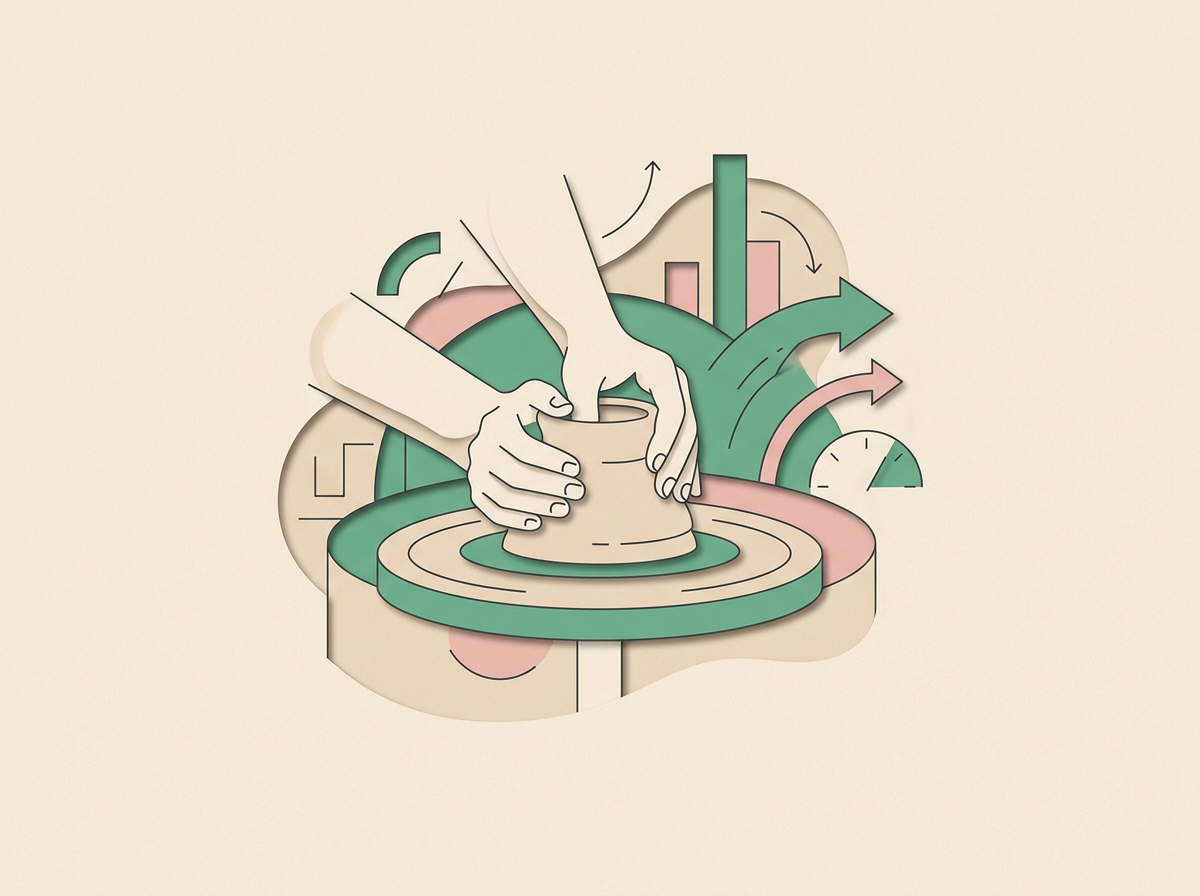
a minimalist photo of hands shaping clay on a pottery wheel
The most advanced wellness tech of 2026 might not have a screen; it might be silence, clay, or a human connection.
What this means for you
Navigating this increasingly complex landscape requires a clear sense of your own goals. The consolidation of the studio market means you'll have convenient, high-quality options from major brands, but it's worth seeking out the independent gems that align with your specific needs. The rise of precision probiotics is exciting, but it demands caution. Don't jump on the first supplement that lists Christensenella on the bottle; wait for reputable brands and, more importantly, consult a professional. The key is to move from being a passive consumer of trends to an active participant in your own wellbeing. This is where curation becomes non-negotiable. Using a service like the Codex [/intake] can help you cut through the noise, matching you with a vetted studio or coach that fits your unique physiology and disposition, whether your version of wellness is a high-tech wearable or a silent retreat.
For those who manage wellness budgets for their teams, the lesson is similar. The 'one-size-fits-all' wellness app or gym membership is an outdated model. The future lies in providing flexible, personalized options. Offering a wellness wallet like [/credits] allows employees to choose what works for them, be it a session with a nutrition coach to discuss the latest science, a membership at a local boxing gym, or a pass to a weekend meditation event. The goal is to empower choice, not enforce a single vision of health. You can find a growing list of verified options in our marketplace of [/products] and [/events].
Verdict
The wellness world of late 2026 is a study in contrasts: it's consolidating and fragmenting, getting more technologically advanced and more consciously analog, all at the same time. This isn't a contradiction; it's the sign of a maturing industry. The path forward for the discerning individual is one of informed curation—using the best of data and technology to connect with the specific, often human-led, experiences that truly resonate.
FAQ
What is 'Analog Wellness'?
Analog wellness refers to screen-free, sensory-focused activities that serve as an antidote to digital fatigue. Examples include pottery, instrument-only sound baths, float tanks, and silent retreats, all of which prioritize tangible experience over data tracking.
Is Christensenella minuta available as a supplement yet?
Not widely in a targeted, clinically-verified form. Following the recent research, companies are likely developing products, but consumers should be cautious and await reputable brands with transparent data before purchasing.
How might a big brand acquiring a studio chain affect my local yoga studio?
It will likely increase competition from a standardized, convenient offering. This may push independent studios to further specialize, focus on community, and highlight unique teaching styles to differentiate themselves and retain their client base.
With so many new trends, how can I find what's right for me?
The best approach is to start with your personal goals and preferences, not the trends themselves. Using a curated service like the Codex intake, or consulting with a verified wellness coach, can help you navigate the options and build a personalized routine.